


A revolution is emerging with the tide, reshaping not just beaches but the very DNA of contemporary fashion. What began as a subculture's inside joke—fishing equipment worn with sarcastic detachment in urban environments—has now morphed into a profound cultural reorientation. #FishermanCore represents more than aesthetic rebellion; it's a manifesto of tactile pleasure in an age of digital isolation, where salt-smeared wraps tell a story that algorithms can't replicate. Across Tokyo's neon-docked waterways and Brooklyn's midnight ferries, a generation is reinventing sustainability through childlike wonder and lunar rituals, proving that ecological consciousness thrives when cloaked in absurd humor.
Table of Contents
I. Night Fishing: Redefining Rituals in the Moonlight
II. Cartoony Conservation: When Sardines Become Squid
III. The Texture Revolution: Towels, Algae and Living Ink
IV. The Tackle Box Economy: Ritual as Revenue Stream
V. Conservation Co-Creation: When Brands Become Tides
Conclusion: Casting Beyond the Horizon
I. Night fishing: redefining rituals in the moonlight
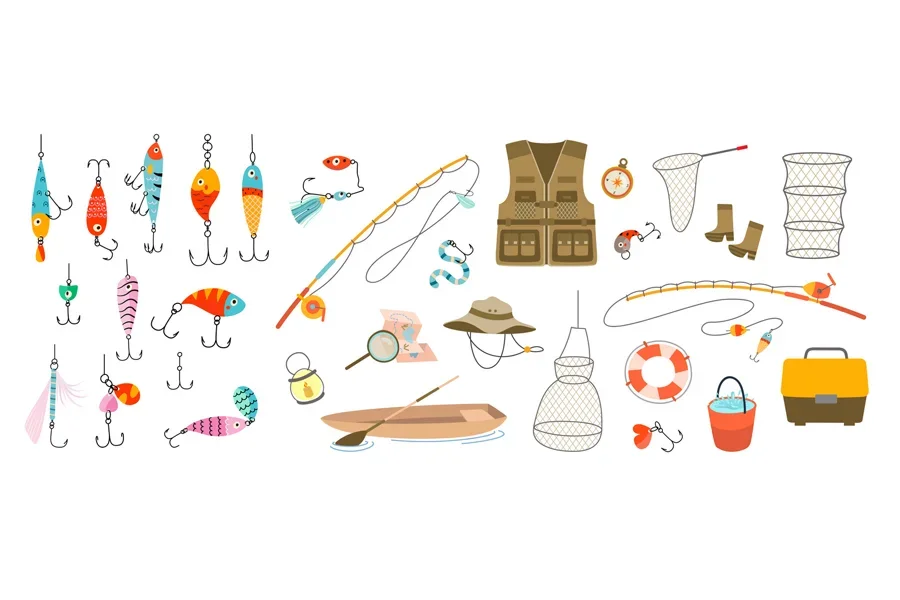
When the sun sets below industrial ports, a new tribe emerges. Fishing is no longer the solitary meditation of grandparents, but the collective theater of Generation Z—reclaiming urban waterways as a stage for dialogue. This nocturnal shift has given birth to garments that perform in the dark like living canvases. Think of Copenhagen’s Passport brand and their cult “Midnight Mackerel” hoodie. Its thermochromic ink lies dormant until temperatures drop, after which glowing fish skeletons emerge on the fabric—a memento mori for the marine ecosystem. Meanwhile, Savage Gear reflective jackets mimic bioluminescent scales, turning smartphone flashes into ethereal light sculptures during the midnight sun.
The Tokyo Tsuritribe collective embodies this movement. Every Friday, hundreds of people gather at Odaiba Pier, with DIY electroluminescent wire patterns resembling fishing nets. Their ritual? Synchronized rod-casting choreography, recorded on viral TikTok, where the clothing becomes part of the performance. As marine anthropologist Dr. Kenji Sato says: “They’re not catching fish — they’re capturing moments of human connection, using the garments as social conduits.

