


Table of Contents
Augmented Reality (AR) vs. Virtual Reality (VR)
Which Products Are Right for Your Business
The AR and VR Industries Are Growing
How to Choose Which AR or VR Products to Sell
Our world never stands still for a moment. Augmented and virtual reality have sped things up even more, forever changing the landscape of entertainment, education, and even healthcare industries.
This blog covers the differences between augmented and virtual reality devices, a snapshot of each market, and steps to help businesses choose the right gadgets for their customers.
Augmented Reality (AR) vs. Virtual Reality (VR)
The global AR and VR markets are expected to experience explosive growth in the coming years. By 2023, the worldwide e-commerce market for both AR and VR will exceed $100 billion.
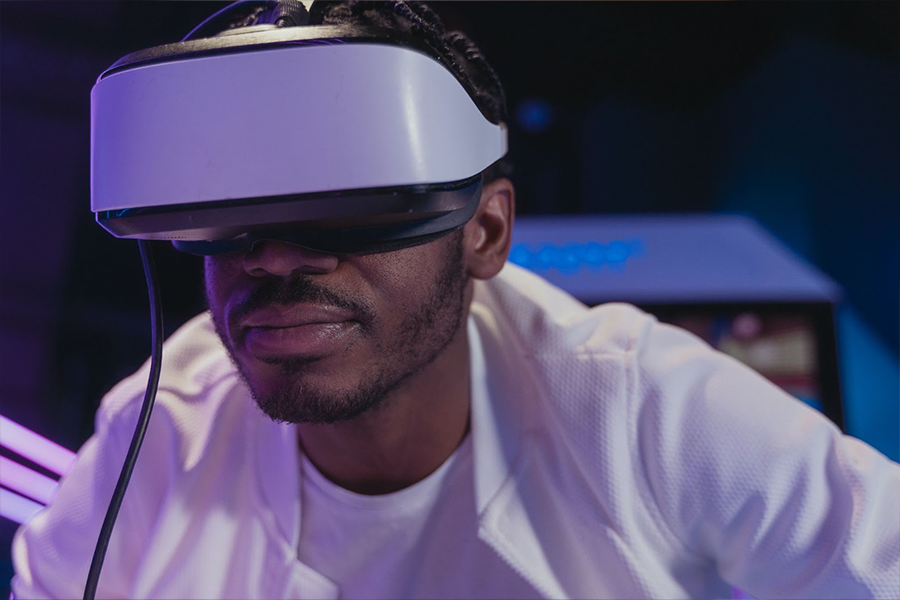
What is AR?
Augmented Reality (AR) is defined as taking the mundane, real world we see and adding some imagination to it, blending it seamlessly. The beauty of using AR is that anyone with a smartphone and some cool looking AR glasses can try it out.
AR projects virtual images from either a smartphone camera or video viewer (also known as wearable computer-enabled glasses) and sensory stimuli, turning the unimaginable into imaginable.
AR Industry Statistics
AR is currently one of the most important areas of entertainment. The International Data Corporation (IDC) estimates that AR could become a $61 billion industry by 2023. Others believe it could be as big as $198 billion. It seems the sky is the limit!
With the number of smartphone users expected to reach 3.5 billion by 2022 , the AR market looks strong. It is estimated that by 2025, the US will have over 14 million employees across various sectors who will be using AR on a regular basis.

